
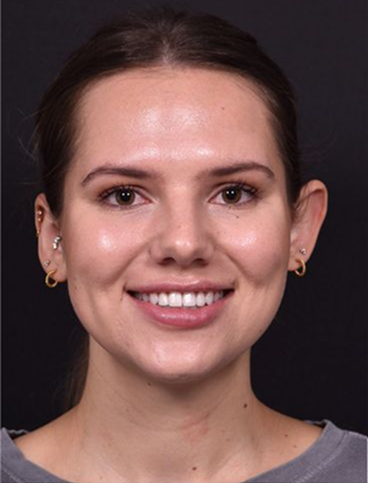
“Correcting Ear Shape and Position with Subtle, Balanced Refinement”
Ear surgery, medically known as otoplasty, is a specialised corrective procedure designed to improve the shape, position, or proportion of the ears. It is most commonly performed to address prominent or protruding ears, asymmetry, underdeveloped natural folds, or congenital shape variations. In selected cases, it may also correct deformities resulting from trauma or previous surgery. The procedure focuses on reshaping and repositioning the ear cartilage to achieve better facial harmony.
At MAE Aesthetics, otoplasty is approached as a structural and proportion-correcting surgery, not a cosmetic exaggeration. The ears play a subtle yet important role in framing the face. When disproportionately positioned or shaped, they can draw unwanted attention and affect confidence — especially in children and young adults.
Every case begins with a detailed assessment of cartilage strength, ear projection, fold definition, and overall facial proportions. Conservative cartilage reshaping techniques are used to avoid over-correction, stiffness, or an unnatural “pinned-back” appearance.
Otoplasty at MAE Aesthetics is carefully tailored to each patient’s ear anatomy, cartilage strength, and facial proportions. The surgical plan is designed to achieve natural balance while preserving long-term structural stability.
For prominent or protruding ears, the cartilage is reshaped and repositioned closer to the head to create a more proportionate profile. The goal is subtle correction — not an overly tight or flattened appearance.
In cases where natural ear folds are underdeveloped or absent, precise cartilage sculpting techniques are used to recreate natural contours and improve ear definition.
When one ear differs in projection or shape from the other, careful adjustment is performed to improve balance while respecting natural anatomical variation.
Selected congenital ear shape concerns can be corrected through structured cartilage reshaping, improving proportion without altering function.
For patients who have undergone previous ear surgery and are dissatisfied with the outcome, advanced corrective techniques may be used to restore more natural contour and positioning.
Secure suturing techniques are applied to maintain ear shape long-term while preserving flexibility and avoiding stiffness.
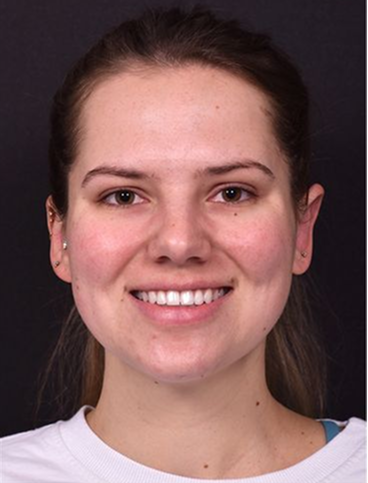
Ears positioned closer to the head in a natural, relaxed way
Improved symmetry and balanced ear shape
Softer, well-defined natural ear folds
Better overall facial harmony
Long-lasting, stable results
Increased confidence and reduced self-consciousness
Otoplasty is usually well tolerated. Mild discomfort, swelling, or tenderness may occur in the first few days and is managed with prescribed medication.
HAPPY PATIENTS
SPECIALIST DOCTORS
MEDICAL SERVICES
PROBLEM SOLVE
Ear surgery (otoplasty)
is a specialised procedure designed to reshape and reposition prominent, protruding, or asymmetrical ears to create better facial balance and harmony. It is suitable for both children and adults who feel self-conscious about ear shape or projection. The procedure focuses on refining the natural contours of the ear by carefully reshaping and securing the cartilage for long-lasting, stable results.
Otoplasty does not affect hearing, as it only alters the external ear structure. Incisions are typically placed discreetly behind the ear, allowing scars to remain well hidden once healed. Most patients return to light daily activities within a few days, with gradual improvement in swelling over the following weeks.
The goal of ear correction surgery is subtle, natural enhancement — improving symmetry and proportion without creating an overcorrected or “pinned-back” appearance. A personalised assessment ensures the treatment approach is tailored to individual anatomy and expectations.
MAE Aesthetics is a specialized plastic surgery and aesthetic clinic in Vadodara, offering advanced cosmetic, reconstructive, skin, hair, and laser treatments. We combine medical expertise with ethical practice and personalized care to deliver safe, natural-looking results. Every patient journey is guided by trust, precision, and clinical excellence.
Address : 3rd FLOOR, TRINITY COMPLEX, Vasna Rd, Vasna Jakat Naka, Ashwamegh Nagar, Tandalja, Vadodara, Gujarat 390020
Address : Beside, Takshashila Residency, Anand – Vidyanagar Rd, Behind Reliance Smart Bazar, Vivekanand Wadi, Anand, Gujarat 388001 |
Email : info@maeaesthetics.com
Phone : +91 8000296824 & 9687611623
All procedures are performed following detailed medical consultation. Individual results may very.