
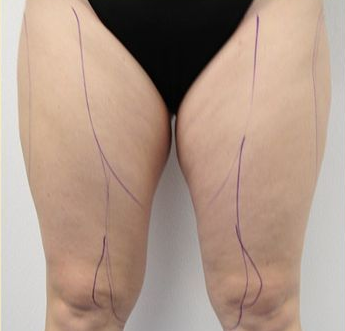
When a Lower Body Lift Is Not Recommended
Surgery may be postponed or modified if:
Weight remains unstable
Nutritional deficiencies are present
Medical conditions are uncontrolled
Expectations are cosmetic rather than functional
A staged reconstruction would be safer
In many cases, stepwise surgical correction provides better safety and healing outcomes.
Depending on anatomy and clinical need, surgery may involve:
Abdominal skin tightening (belt lipectomy component)
Waist and flank contour restoration
Buttock and hip tissue elevation
Outer thigh tightening
No two lower body lifts are identical — each is custom designed.
Comprehensive body assessment
Evaluation of circulation, nutrition, and healing capacity
Strategic incision placement for structural benefit
Conservative tissue handling to minimise complication risk
Careful decision-making regarding staged procedures
Safety determines the plan — not speed.
Hospital stay may be required
Swelling, tightness, and fatigue are expected
Compression garments are essential
Gradual return to daily activity
Long-term scar care and structured follow-up
Recovery is more demanding than cosmetic procedures and requires patience and compliance.
A lower body lift is an advanced reconstructive–aesthetic surgical procedure designed to address extensive loose skin and tissue laxity around the abdomen, waist, hips, buttocks, and thighs following massive weight loss.
At MAE Aesthetics, a lower body lift is approached as a structural and functional restoration surgery — not a cosmetic enhancement. It is recommended only when circumferential skin redundancy significantly affects comfort, hygiene, mobility, and overall quality of life.
Post–weight loss bodies require respect, restraint, and long-term planning.
At MAE Aesthetics:
Surgery is recommended only after sustained weight stabilisation
Extensive procedures are never rushed prematurely
Wound safety, circulation, and healing are prioritised over aggressive tightening
Planning focuses on restoring balance and function — not extreme sculpting
Staged procedures are frequently advised to reduce surgical burden
A lower body lift is reconstructive surgery with aesthetic intent — not cosmetic excess.
Circumferential loose skin after massive weight loss
Hanging abdominal and flank skin
Drooping buttocks and hip tissue
Outer thigh laxity
Skin-related discomfort, rashes, and hygiene issues
Difficulty with clothing and mobility
Replace continued weight management
Eliminate all stretch marks
Prevent future ageing-related skin changes
Guarantee perfect symmetry
Serve as a substitute for fitness or muscle conditioning
You may be suitable if you:
Have achieved significant weight loss (surgical or non-surgical)
Maintained stable weight for 6–12 months
Experience pronounced circumferential skin laxity
Are medically and nutritionally fit for major surgery
Understand that scars are extensive but purposeful
Removal of excess abdominal and flank skin
360° contour correction around the waist
Reduction of lower torso skin folds affecting hygiene and comfort
Lifting of descended buttock tissue
Restoration of hip contour and balance
Improvement in posterior body proportion
Correction of lateral thigh laxity
Improved transition between hip and thigh
Reduced skin friction and mobility discomfort
When clinically appropriate, the procedure may integrate:
Abdominal wall tightening
Strategic fat contouring (selective liposuction)
Scar repositioning for functional benefit
Every component is selected based on anatomy — not routine inclusion.
In many cases, surgery is divided into phases to reduce operative stress and improve recovery:
Stage 1: Lower body lift (circumferential correction)
Stage 2: Thigh lift or arm lift
Stage 3: Upper body or breast reconstruction (if needed)
Staging improves wound safety, circulation management, and overall outcomes.
Full nutritional and medical optimisation before surgery
Conservative tissue removal to reduce wound tension
Preservation of blood supply and healing capacity
Purposeful scar placement for structural benefit
No “one-session transformation” approach
If skin laxity is limited to the abdomen, a tummy tuck alone may be sufficient.
If outer thigh laxity is mild, targeted procedures may replace circumferential surgery.
If healing risk is elevated, staged correction is prioritised.
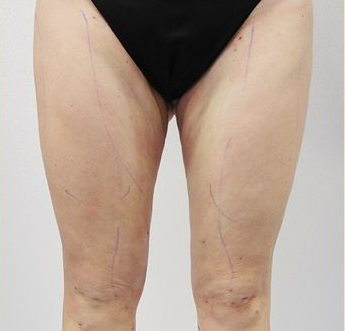
Significant reduction of excess skin
Improved comfort and mobility
Better clothing fit
Restored lower body proportion
Enhanced overall quality of life
Results are durable with weight stability but continue to evolve with time and ageing.
A lower body lift reshapes skin and structural support — it does not change metabolism.
Long-term success depends on:
Stable weight
Adequate nutrition
Commitment to follow-up care
At MAE Aesthetics, lower body lift surgery is recommended only when the reconstructive and functional benefit clearly outweighs the surgical demands.
If staging, delay, or alternative planning is safer, that is what we advise — responsibly and transparently.
HAPPY PATIENTS
SPECIALIST DOCTORS
MEDICAL SERVICES
PROBLEM SOLVE

MAE Aesthetics is a specialized plastic surgery and aesthetic clinic in Vadodara, offering advanced cosmetic, reconstructive, skin, hair, and laser treatments. We combine medical expertise with ethical practice and personalized care to deliver safe, natural-looking results. Every patient journey is guided by trust, precision, and clinical excellence.
Address : Beside, Takshashila Residency, Anand – Vidyanagar Rd, Behind Reliance Smart Bazar, Vivekanand Wadi, Anand, Gujarat 388001 |
Address : 3rd FLOOR, TRINITY COMPLEX, Vasna Rd, Vasna Jakat Naka, Ashwamegh Nagar, Tandalja, Vadodara, Gujarat 390020
Email : info@maeaesthetics.com
Phone : +91 96871 11624
All procedures are performed following detailed medical consultation. Individual results may very.