
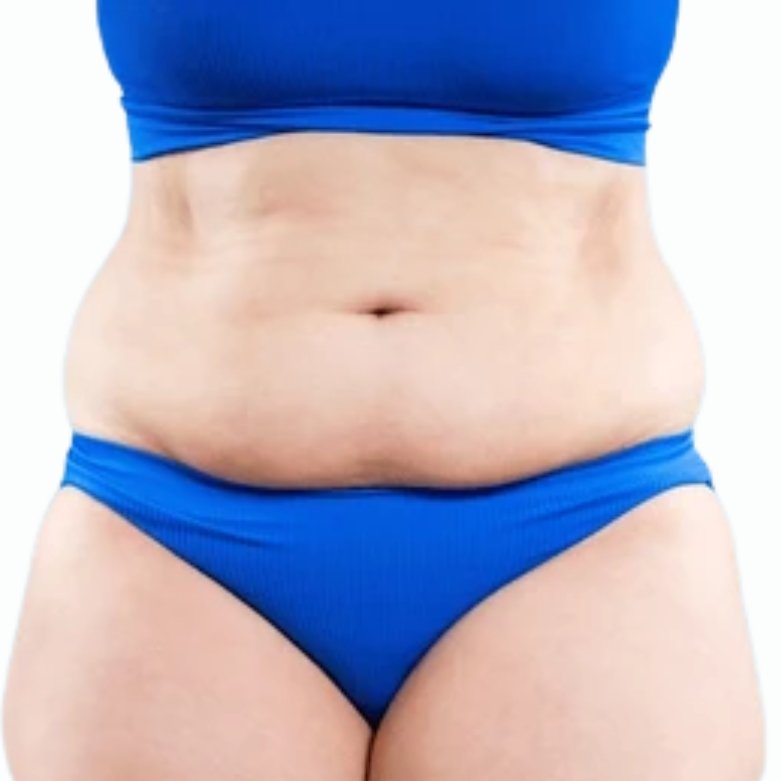
You may be suitable if you:
Have completed planned pregnancies
Maintain stable body weight
Have loose abdominal skin or muscle separation
Are medically fit for surgery
Understand and accept the permanence of surgical scars
Surgery may be deferred if:
Skin laxity is mild and manageable with non-surgical options
The primary concern is localized fat (better suited for liposuction)
Significant future weight fluctuations are expected
Pregnancy is planned
Surgical risks outweigh potential benefits
Comprehensive abdominal assessment
Evaluation of skin quality and muscle integrity
Individualised planning (mini vs. full tummy tuck where appropriate)
Conservative tissue handling to preserve natural contour
Optional combination with liposuction only when indicated
There are no standardised cuts or fixed templates — every surgical plan is tailored.
A tummy tuck, medically known as abdominoplasty, is a surgical procedure designed to restore abdominal contour by addressing excess skin, weakened or separated abdominal muscles (diastasis recti), and residual fat that cannot be corrected with exercise or liposuction alone.
At MAE Aesthetics, tummy tuck surgery is approached as a reconstructive–aesthetic procedure — not a cosmetic shortcut. It is recommended only when structural concerns such as significant skin laxity or muscle separation prevent meaningful improvement through non-surgical or minimally invasive treatments.
A tummy tuck is not a weight-loss surgery and is not suitable for every patient.
At MAE Aesthetics:
Surgery is advised only when skin excess or muscle separation is clinically significant
Lifestyle correction is not replaced by surgery
Abdominoplasty is not recommended where liposuction or non-surgical care would suffice
Function, safety, and proportion are prioritised over aggressive tightening
The least invasive effective option is selected to avoid unnecessary scarring
The best results occur when the procedure is performed for the right indication — not as a default solution.
Excess loose abdominal skin
Post-pregnancy abdominal wall changes
Muscle separation (diastasis recti)
Persistent abdominal bulge despite exercise
Loss of abdominal definition after significant weight loss
Cause overall weight loss
Replace exercise or core strengthening
Prevent future pregnancy-related changes
Permanently stop weight-related abdominal changes
Correct fat distribution outside the abdominal region
At MAE Aesthetics, tummy tuck surgery is offered as a structural correction solution — not simply a tightening procedure. Each treatment plan is tailored based on skin laxity, muscle integrity, fat distribution, and long-term body goals.
Excess Skin Removal
Precise removal of loose or overhanging abdominal skin that cannot retract naturally.
Muscle Repair (Diastasis Recti Correction)
Restoration of separated abdominal muscles to improve core strength and flatten abdominal projection.
Abdominal Reshaping
Refinement of the waistline and lower abdomen for improved proportion and silhouette.
Mini Tummy Tuck (Selected Cases)
A limited approach for patients with mild lower abdominal skin excess and good upper abdominal tone.
Combined Contouring (When Indicated)
Strategic combination with liposuction to enhance contour while preserving natural balance.
Detailed abdominal wall evaluation
Individualised incision placement for minimal visibility
Conservative tissue handling to maintain natural contours
Preservation of proportion and symmetry
Selection of the least invasive effective approach
If concerns are primarily fat-related, mild skin laxity, or weight-based, alternative treatments may be recommended instead of abdominoplasty.
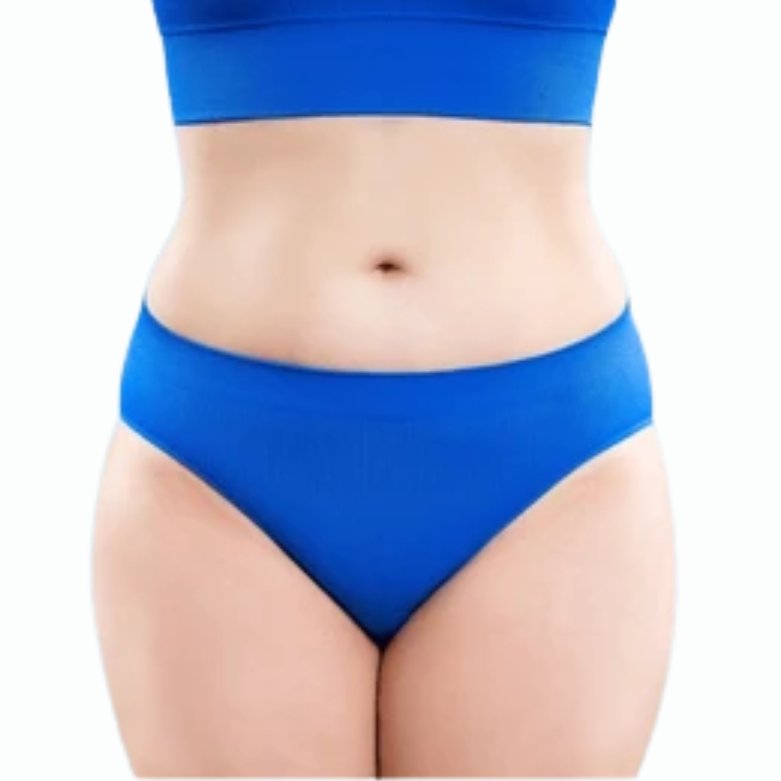
Flatter and firmer abdominal profile
Improved core stability (when muscle repair is performed)
Enhanced waistline definition
Long-term contour improvement with weight stability
Results are durable but remain influenced by future lifestyle, weight changes, and hormonal factors.
A tummy tuck corrects structural and skin-related concerns — not metabolism.
Long-term success depends on maintaining stable weight, core health, and realistic expectations.
At MAE Aesthetics, tummy tuck surgery is recommended only when it is necessary — not simply because it is available.
If a less invasive option can achieve your goal, that is the approach we advise.
Function first. Safety always. Aesthetics with responsibility.
HAPPY PATIENTS
SPECIALIST DOCTORS
MEDICAL SERVICES
PROBLEM SOLVE
MAE Aesthetics is a specialized plastic surgery and aesthetic clinic in Vadodara, offering advanced cosmetic, reconstructive, skin, hair, and laser treatments. We combine medical expertise with ethical practice and personalized care to deliver safe, natural-looking results. Every patient journey is guided by trust, precision, and clinical excellence.
Address : Beside, Takshashila Residency, Anand – Vidyanagar Rd, Behind Reliance Smart Bazar, Vivekanand Wadi, Anand, Gujarat 388001 |
Address : 3rd FLOOR, TRINITY COMPLEX, Vasna Rd, Vasna Jakat Naka, Ashwamegh Nagar, Tandalja, Vadodara, Gujarat 390020
Email : info@maeaesthetics.com
Phone : +91 96871 11624
All procedures are performed following detailed medical consultation. Individual results may very.